Preparing for Your First Breast Clinic Visit at a Top Breast Clinic in Nepal
A first breast clinic visit can feel intimidating, especially when it follows a new lump, nipple discharge, breast pain, or an imaging report you do not fully understand. The good news is that preparation reduces anxiety and improves the quality of your consultation. This guide explains what to bring, what questions to expect, which tests may be recommended, and how a specialized breast unit can help you move from uncertainty to a clear plan. For readers researching a Top breast clinic in Nepal or the best breast clinic in Nepal, the goal is simple: know what will happen before you walk in.
Direct definition: A breast clinic visit is a focused medical evaluation for symptoms such as a lump, breast pain, nipple changes, discharge, or abnormal imaging. The first visit usually includes a symptom review, clinical breast examination, and, when needed, imaging or biopsy planning to identify whether the problem is benign, inflammatory, hormonal, or suspicious for cancer.

Why the first breast clinic visit matters
The first visit is not just an appointment. It is the point where uncertainty starts becoming structured medical information. A specialized breast clinic helps separate common benign concerns from problems that need urgent workup. That matters because many breast changes are not cancer, but they still deserve proper evaluation rather than delay, guessing, or internet-driven fear.
For patients in Kathmandu and across Nepal, one practical reason specialized care matters is focus. Advance Breast Clinic describes itself as Nepal’s first dedicated breast clinic, with services centered specifically on breast evaluation, diagnosis, supportive care, and management rather than general surgical care alone. That narrower focus is highly relevant for patients comparing the best breast clinic in Nepal for first assessment.
What a good first visit should achieve
- Clarify why you need evaluation
- Review your symptoms and personal history
- Perform a focused clinical breast examination
- Decide whether imaging or biopsy is needed
- Give you a next-step plan you can actually follow
Summary
- The first visit is about diagnosis, not assumptions
- Many breast complaints are benign, but evaluation matters
- A specialist breast setup can speed clarity and next steps
When should you book a breast clinic appointment?
The safest answer is: book when you notice a new, unusual, or persistent change. Do not wait for a routine screening date if something has changed now. Major medical guidance consistently advises prompt review for a new lump, skin dimpling, nipple inversion, non-milky discharge, or persistent underarm swelling.
Common reasons for a first visit include:
- A new breast lump or thickened area
- Nipple discharge, especially bloody or spontaneous
- Skin dimpling, redness, or puckering
- New nipple inversion
- Breast swelling or shape change
- Persistent breast or underarm discomfort
- Abnormal mammogram or ultrasound findings
One of the biggest mistakes patients make is assuming pain alone means cancer or assuming no pain means everything is fine. Neither assumption is reliable. The goal of a first clinic visit is to evaluate the pattern, timing, and associated findings.
Symptoms that should not be delayed
- A lump that is new or feels different from surrounding tissue
- Bloody nipple discharge
- Skin dimpling or thickening
- A breast change that persists after your menstrual cycle
- A new underarm lump
How to prepare before your first breast clinic visit
Preparation does not mean over-researching online. It means arriving with useful information that improves diagnosis and saves time.
1. Write down your symptoms clearly
Before the appointment, note:
- When the change started
- Whether it changes with your menstrual cycle
- Whether it is painful or painless
- Whether it is getting bigger, harder, or more noticeable
- Whether there is nipple discharge, redness, fever, or swelling
This sounds simple, but it makes the consultation better. Symptom timing often changes the likely diagnosis.
2. Bring previous reports and imaging
Bring any earlier mammogram, ultrasound, biopsy report, discharge summary, or blood reports if you have them. Mayo Clinic Health System specifically advises bringing current medical records from other facilities for the first appointment. That principle applies strongly to breast workups because comparison with prior imaging can change interpretation.
3. Prepare your medication and health history
You may be asked about:
- Current medicines
- Hormonal medicines or contraception
- Family history of breast, ovarian, pancreatic, prostate, or colon cancer
- Previous breast surgery
- Existing health conditions
4. Dress practically
If imaging is likely, wear comfortable clothing that is easy to remove from the waist up. Screening guidance commonly notes that you will need to undress in private above the waist for breast imaging. If a biopsy may be discussed or performed later, supportive clothing, including a bra, may be helpful.
5. Consider taking someone with you
Some breast clinic visits involve a lot of information in a short time. Many clinics allow or encourage a companion for support. This can help with note-taking and decision recall, especially if further tests are recommended.
Preparation checklist
- Symptom notes
- Previous reports
- Medication list
- Family history details
- Comfortable clothing
- Questions you want answered
What usually happens during the first breast clinic visit?
The first appointment is usually more structured than many patients expect. A well-run breast clinic follows a clinical sequence: history, examination, tests if needed, and a plan.
Step 1: Symptom review and history
A doctor or breast team member will ask about your symptoms, menstrual and reproductive history where relevant, family history, prior breast issues, and medicines. This is normal, not alarming. These questions help distinguish benign cyclical symptoms from findings that need imaging or tissue sampling.
Step 2: Clinical breast examination
A focused breast exam often includes checking both breasts, the underarm area, and sometimes the neck and chest wall for enlarged nodes or related changes. Mayo Clinic and NHS-type guidance both describe this as a standard part of evaluation for a new breast concern.
Step 3: Imaging if indicated
Depending on your age, symptoms, and findings, you may be advised to have a mammogram, ultrasound, or both. Advance Breast Clinic’s own breast-health and consultation pages describe imaging coordination and tailored evaluation as part of breast-focused care.
Step 4: Biopsy planning if needed
Not every patient needs a biopsy. But if imaging or examination shows a suspicious area, a tissue sample may be recommended to confirm the diagnosis. Mayo Clinic states clearly that breast cancer confirmation typically requires tissue testing after exam and imaging.
Step 5: Explanation of next steps
A strong first visit ends with clarity. Even if the final diagnosis is pending, you should understand:
- What the likely possibilities are
- What tests are needed
- How urgent the case seems
- What happens next and when
Section summary
- History and examination come first
- Imaging is common, but not universal
- Biopsy is for clarification, not a sign of automatic cancer
- You should leave with a clear next-step plan
Common tests and what they usually mean
A lot of patient anxiety comes from not knowing what each test is for. The first visit becomes easier when the tests make sense.
| Test | Why it may be done | What it helps clarify |
| Clinical breast exam | First-line assessment | Lump location, skin changes, node enlargement |
| Ultrasound | Useful for many focal symptoms | Cystic vs solid features, targeted area review |
| Mammogram | Imaging overview of breast tissue | Calcifications, masses, architectural changes |
| Biopsy | When tissue confirmation is needed | Benign vs atypical vs malignant diagnosis |
An important insight for patients: a first breast clinic visit is often less about “finding cancer” and more about narrowing possibilities quickly and safely. That distinction matters because fear makes many patients postpone exactly the visit that creates clarity.
“The first breast clinic visit is not the moment to fear the worst. It is the moment to replace uncertainty with structured diagnosis.” This framing works because the value of a specialist clinic is not only treatment. It is diagnostic precision.
How to choose a top breast clinic in Nepal
Patients looking for a Top breast clinic in Nepal or the best breast clinic in Nepal often compare websites based on broad claims. A better approach is to compare diagnostic depth, specialist focus, and the clinic’s ability to manage the full pathway from evaluation to treatment planning.
What to look for in a breast clinic
1. Dedicated breast focus
Advance Breast Clinic states that it is Nepal’s first exclusive breast clinic, which matters because specialization usually improves workflow, symptom triage, and continuity of care for breast-related conditions.
2. A specialist breast surgeon with relevant training
A clinic evaluating suspicious breast symptoms should have access to specialist breast surgical judgment, especially when biopsy, cancer surgery planning, breast-conserving surgery, or reconstruction decisions may follow.
3. Clear diagnostic pathway
A serious clinic should be able to explain examination, imaging coordination, biopsy guidance, and follow-up rather than only discussing surgery.
4. Supportive and family-centered care
Breast concerns often involve fear, body image, and family decision-making. Advance Breast Clinic’s site highlights supportive care and long-term guidance, which is important in real-world patient experience.
5. Honest explanation, not pressure
The best specialty clinics reduce confusion. They do not push a procedure before a diagnosis is established.
Quick comparison: what patients should value
| Better signal | Weaker signal |
| Dedicated breast evaluation | Generic “one-size-fits-all” messaging |
| Specialist-led assessment | Only marketing language |
| Clear explanation of tests | Vague promises without process |
| Follow-up and support | No mention of continuity of care |
| Evidence of training and experience | Only claims of being “best” |
Dr. Banira Karki and why specialist experience matters

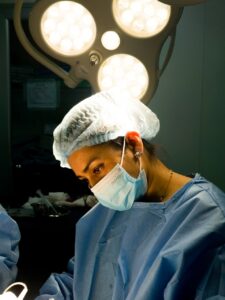
For this article, it is relevant to mention the doctor and experience factually because users evaluating the top breast surgeon in Nepal want to understand who is leading care. Advance Breast Clinic’s official site states that Dr. Banira Karki is Nepal’s first female breast onco surgeon, with MBBS, MS in General Surgery, fellowship training in Breast Oncosurgery from Tata Medical Center in India, oncoplastic surgery training in Germany, and more than 10 years of surgical experience. The site also describes her special interest in breast-conserving and reconstructive surgery.
That experience matters in a first-visit context because breast evaluation is not only about deciding whether something is suspicious. It is also about planning the right next step if it is benign, high-risk, or malignant. When patients search breast cancer treatment in Nepal, they are often not just comparing treatment availability. They are looking for specialist judgment that balances oncologic safety, timing, and where appropriate, breast preservation and reconstruction planning.
This should be presented factually, not promotional: specialist training improves decision quality at the exact point where patients are most vulnerable to confusion.
Breast cancer treatment in Nepal: why the first visit shapes the whole pathway
A first clinic visit may seem small, but it often determines everything that follows. If the problem is benign, good evaluation prevents unnecessary panic. If cancer is suspected, early diagnosis usually improves treatment planning and avoids delay. Advance Breast Clinic’s recent breast cancer treatment content emphasizes the importance of timely diagnosis, stage-based care, and specialist-led planning in Nepal.
For users searching breast cancer treatment in Nepal, one original insight matters: the most important part of treatment quality often begins before treatment starts. It begins with whether the first assessment is accurate, timely, and clearly communicated. A poor first consultation creates delay. A good first consultation creates momentum.
Section summary
- The first visit affects diagnosis speed
- Specialist review improves triage and next-step planning
- Early evaluation is a quality-of-care issue, not just a scheduling issue
FAQ: Preparing for your first breast clinic visit
1. What should I bring to my first breast clinic visit?
Bring previous imaging, lab or biopsy reports, a medication list, symptom notes, and key family history details. This helps the clinic compare past findings and make faster decisions.
2. Will I have a breast examination on the first visit?
Usually yes. A first breast clinic visit commonly includes a clinical breast examination and may include assessment of the underarm area and nearby lymph nodes.
3. Does a breast lump always mean cancer?
No. Many breast lumps are benign, but any new or unusual lump should still be assessed by an experienced clinician.
4. What tests might be recommended at the first appointment?
Depending on your age, symptoms, and exam findings, the clinic may recommend ultrasound, mammogram, or biopsy planning. Not every patient needs every test.
5. How do I know I need a top breast clinic in Nepal instead of a general consultation?
If you have a persistent lump, nipple discharge, suspicious imaging, or a problem that needs coordinated breast-specific evaluation, a dedicated breast clinic offers more focused assessment and follow-up.
6. Who is the doctor at Advance Breast Clinic?
Advance Breast Clinic’s site identifies Dr. Banira Karki as the lead specialist. It states that she is Nepal’s first female breast onco surgeon with fellowship training in breast oncosurgery and more than 10 years of surgical experience.
7. Can men also visit a breast clinic?
Yes. Advance Breast Clinic’s site explicitly notes that men can also visit for breast-health concerns, since men can develop breast conditions, including breast cancer.
Conclusion: what patients should remember before the first visit
A first breast clinic visit should not feel like entering the unknown. With the right preparation, it becomes a focused diagnostic step: history, examination, possible imaging, and a clear plan. For people researching a Top breast clinic in Nepal, the most useful signal is not a broad claim. It is whether the clinic offers specialist-led, breast-specific, clearly explained care from first symptom to next step.
Summary points
- Bring your reports, medication list, and symptom timeline
- Expect a clinical breast exam and possibly imaging coordination
- A first visit is about clarity, not assumptions
- Many breast changes are benign, but new or persistent symptoms should not be delayed
- Specialist-led evaluation matters when choosing the best breast clinic in Nepal
Dr. Banira Karki’s breast-specific surgical experience is relevant to patients comparing the top breast surgeon in Nepal and breast-focused care pathways in Kathmandu and Nepal