
Common Breast Changes and What They Mean | Advance Breast Clinic
Breast changes are common across different stages of life. Most are normal and harmless, linked to hormones, age, or lifestyle. Some changes, however, need medical evaluation especially when they are new, persistent, or progressive.
This guide explains common breast changes and what they mean, using evidence-based medical knowledge relevant for women in Nepal.
The goal is awareness and understanding, not fear.
Understanding Normal Breast Changes
Breast tissue is sensitive to hormonal fluctuations. Changes may occur during:
- Menstrual cycles
- Pregnancy and breastfeeding
- Perimenopause and menopause
- Weight changes or stress
Most variations fall within normal physiology.
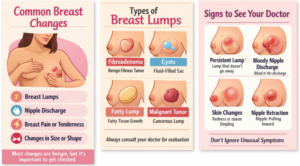
Common Breast Changes and Their Meanings
1. Breast Pain (Mastalgia)
Breast pain is one of the most common concerns.
Typical characteristics
- Cyclical pain linked to periods
- Dull, heavy, or aching sensation
- Often affects both breasts
Common causes
- Hormonal fluctuations
- Caffeine intake
- Ill-fitting bras
When to check
- Pain in one spot only
- Persistent pain unrelated to cycles
2. Breast Lumps
Not all lumps are cancer.
| Type of Lump | Common Features | Likely Cause |
| Fibroadenoma | Firm, mobile, painless | Benign tumor |
| Cyst | Soft or fluid-filled | Hormonal changes |
| Cancerous lump | Hard, fixed, painless | Requires evaluation |
Key point:
Any new lump, especially after age 40, should be assessed at a breast clinic in Nepal with imaging and clinical examination.
3. Changes in Breast Size or Shape
Mild asymmetry is normal.
Possible reasons
- Hormonal shifts
- Weight gain or loss
- Pregnancy history
Medical attention needed if
- Sudden size change in one breast
- Associated skin changes or pain
4. Nipple Discharge
Discharge can be normal or abnormal depending on features.
Usually normal
- Milky discharge during or after breastfeeding
- Clear discharge when squeezed
Needs evaluation
- Bloody discharge
- Discharge from one nipple only
- Discharge without squeezing
5. Skin Changes on the Breast
Skin texture matters.
Benign causes
- Stretching from weight change
- Allergic reactions
Concerning signs
- Dimpling or puckering
- Redness with swelling
- Thickened “orange-peel” skin
These signs should never be ignored, as they may relate to breast cancer treatment in Nepal pathways if detected early.
6. Nipple Changes
Watch for:
- New inversion
- Crusting or scaling
- Persistent sores
Sudden nipple changes require prompt clinical review.
Breast Changes by Life Stage
Adolescence
- Tenderness
- Lumpiness during development
Reproductive Years
- Cyclical pain
- Temporary lumps
Pregnancy & Breastfeeding
- Enlargement
- Milk leakage
Menopause
- Reduced density
- Less tenderness
When to Visit a Breast Clinic
Seek evaluation if you notice:
- A new or growing lump
- Persistent breast pain
- Skin or nipple changes
- Unexplained discharge
Specialized centers like Advance Breast Clinic focus on structured assessment, imaging, and clinical follow-up critical for accurate diagnosis.
Early Detection and Breast Cancer in Nepal
Early identification improves outcomes.
Why early evaluation matters
- Breast cancer is increasingly diagnosed in Nepal
- Delays are common due to low awareness
- Early-stage detection allows simpler treatment
Modern breast cancer treatment in Nepal now includes:
- Imaging-guided diagnosis
- Multidisciplinary care
- Evidence-based protocols
Self-Awareness vs Self-Diagnosis
Self-checks help you notice changes, not diagnose disease.
Best practice
- Be familiar with your normal breast texture
- Report changes early
- Rely on clinical evaluation, not assumptions
Frequently Asked Questions (FAQ)
Are all breast lumps cancerous?
No. Most lumps are benign, especially in younger women.
Is breast pain a sign of cancer?
Rarely. Cancer is usually painless in early stages.
Should I worry about uneven breasts?
Mild asymmetry is normal unless it changes suddenly.
How often should breast exams be done?
Clinical exams are recommended regularly, especially after age 40 or with family history.
Where can I get checked in Kathmandu or Lalitpur?
A specialized breast clinic in Nepal with imaging and trained clinicians is recommended.
Medical Review Note
This article is written using established clinical guidelines, oncology references, and breast health best practices. It is intended for educational purposes only and does not replace professional medical consultation.